One figure — $223 and up — covers finding the fault and fixing it. If a part is needed, you see it as its own line before anything is installed. That's the whole pricing model, on every dryer we touch.
From $223 — diagnostic + labor · parts quoted separately · walk away for $93
Runs coldTwo cycles per loadScreeching drumDead panelTrips the breakerStops after minutesScorched smell
A dryer is a fine machine to be honest about, because its failures are so countable: the heat source (element or igniter), the safety chain (fuses and thermostats), the drive (belt, rollers, idler, motor) and the controls. Our technician tests along that chain in order and stops at the actual fault — not at the first part that could plausibly be blamed. The from-price of $223 already includes that testing and the labor to fix what it finds; a part, when one is required, is added as a separate written line.
Around Dyes Inlet and up the Highway 3 corridor, the pattern we log most is heat starvation with a healthy heater — the element measures fine, yet clothes come out cool and damp. The culprit is nearly always the exhaust path. Central Kitsap laundry rooms fight nine months of wet air, and lint that would crumble out of a duct in Yakima glues itself to one in Silverdale. That's why every heat complaint here starts with an airflow reading, not a parts order.
Dryer work starts at $223, diagnostic and labor together. A belt job or thermostat swap typically stays close to that floor; heaters, motors and boards climb from there — and the part rides on its own line of the quote, priced before we install it, never blended into a mystery total.
Worth checking
Before you book
Cool air, long cycles
Feel the exhaust flap outside while the dryer runs. Weak flutter means the duct, not the dryer, is throttling you — the most common false alarm in our service logs for 98383 and 98370.
Sudden total silence
A dryer that overheated once will blow its thermal fuse and play dead. The fuse is cheap; the reason it blew is the real repair. We chase the cause, or you'll meet the same fuse again in a month.
Metal-on-metal screech
Drum rollers give a long, loud warning before they seize. Booked early, it's a floor-price repair. Ignored, it can chew the belt and score the drum — same visit, bigger parts line.
In detail
The longer conversations
Gas or electric — does the price differ?
The from-price doesn't change: $223 covers diagnosis and labor on either fuel. What differs is the likely parts line. Electric dryers fail toward elements and thermostats; gas dryers toward igniters, flame sensors and valve coils. Gas parts run a little dearer on average, and you'll see the exact figure in writing before deciding. Both fuels are daily work for us across Bremerton's older housing and Silverdale's newer plats.
Why we measure airflow before touching parts
Because a third of 'no heat' dryers in this county heat perfectly. The safety thermostat keeps tripping the heater because exhaust has nowhere to go, and any part we sold you would be a part you didn't need. A two-minute static-pressure check tells the truth. If the answer is 'clean the duct,' that's what the quote says — a smaller ticket for us, the right ticket for you.
The moisture-sensor generation
Dryers from the last decade end cycles by sensor rather than timer, and a sensor coated with dryer-sheet film reads 'dry' while your towels stay wet. The fix ranges from a cleaning to a sensor bar to, rarely, the control board — three very different parts lines hanging off one symptom, which is exactly why the diagnostic comes first and the quote comes second.
Old dryers in old houses: the Bremerton question
West side homes hand us thirty-year-old machines on original wiring, and the honest finding is sometimes electrical, not mechanical — a heat-tired receptacle or a cord with cooked terminals. That verdict goes in writing too, with a recommendation for an electrician for the house side. We fix the appliance; we don't guess past the wall plate.
What the second visit looks like, when one is needed
Most dryer repairs close in one trip because the frequent parts ride with us. When a model needs something rarer, visit one produces the written quote — labor already covered by your from-price — and visit two installs the ordered part. No second diagnostic, no re-quoted labor. The parts line you approved is the parts line you pay.
FAQ
Short answers
What does dryer repair cost in Silverdale?
From $223, which includes the diagnostic and all labor. Parts are quoted separately in writing when needed. If you decline the repair after diagnosis, the visit is $93 flat.
Can you fix my dryer in one visit?
Usually — common parts travel on the van. Rarer parts mean an ordered-part return trip with no additional labor charge beyond your original quote.
My breaker trips when the dryer starts — dryer or panel?
Could be either; a shorted element and a weak breaker mimic each other. That's precisely the sort of question the diagnostic settles with a meter instead of a coin flip.
Is vent cleaning part of the visit?
Where the vent is the fault, clearing accessible runs is often the repair itself, covered by your from-price. Long crawl-space or roof runs get quoted honestly if extra work is involved.
$15 OFFANY COMPLETED REPAIR
Code RIDGE15 — say it or send it
Mention it on the phone or use the booking form, where it's attached automatically. One per visit; applies to the repair itself, not to the $93 diagnostic-only outcome.
Field notes
What the visits look like
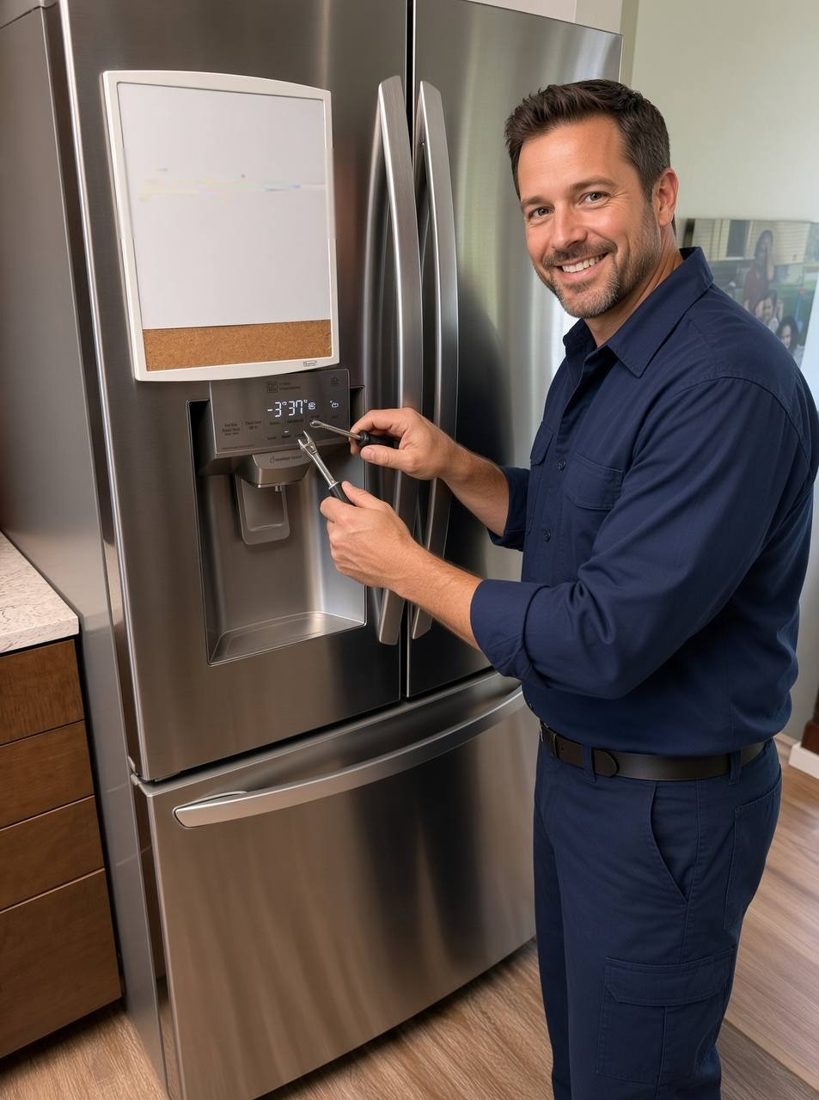
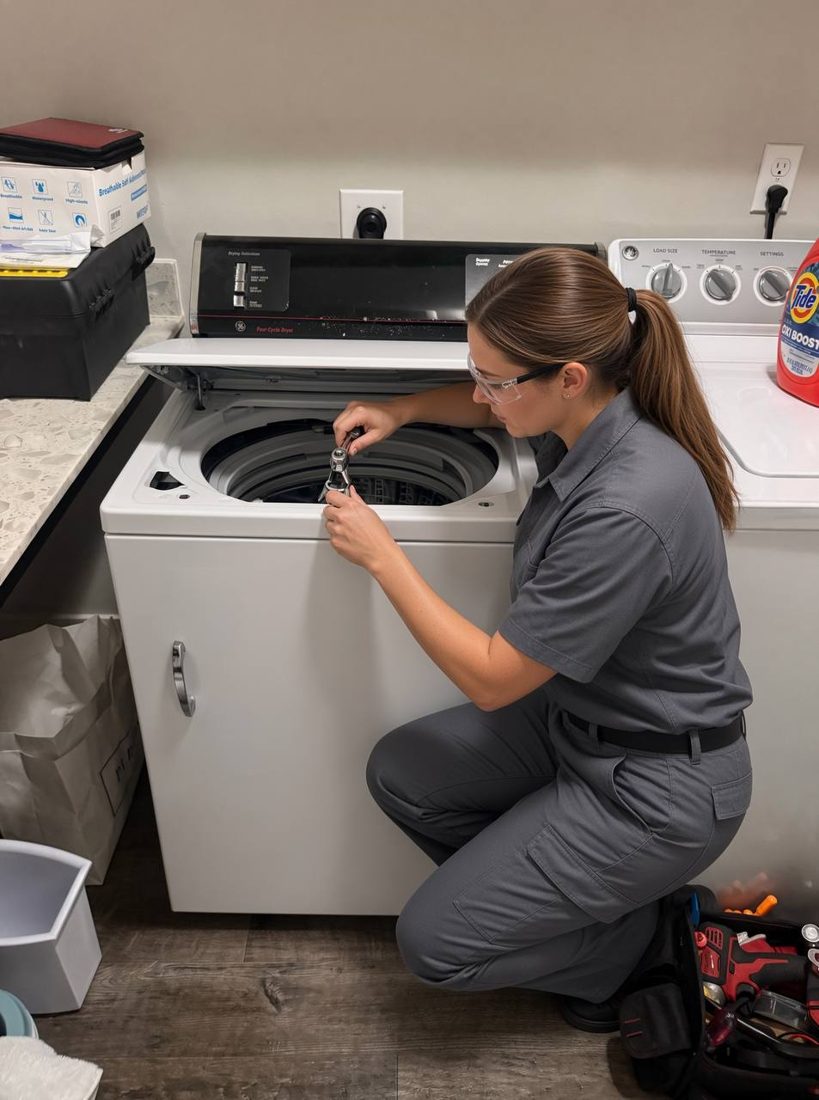
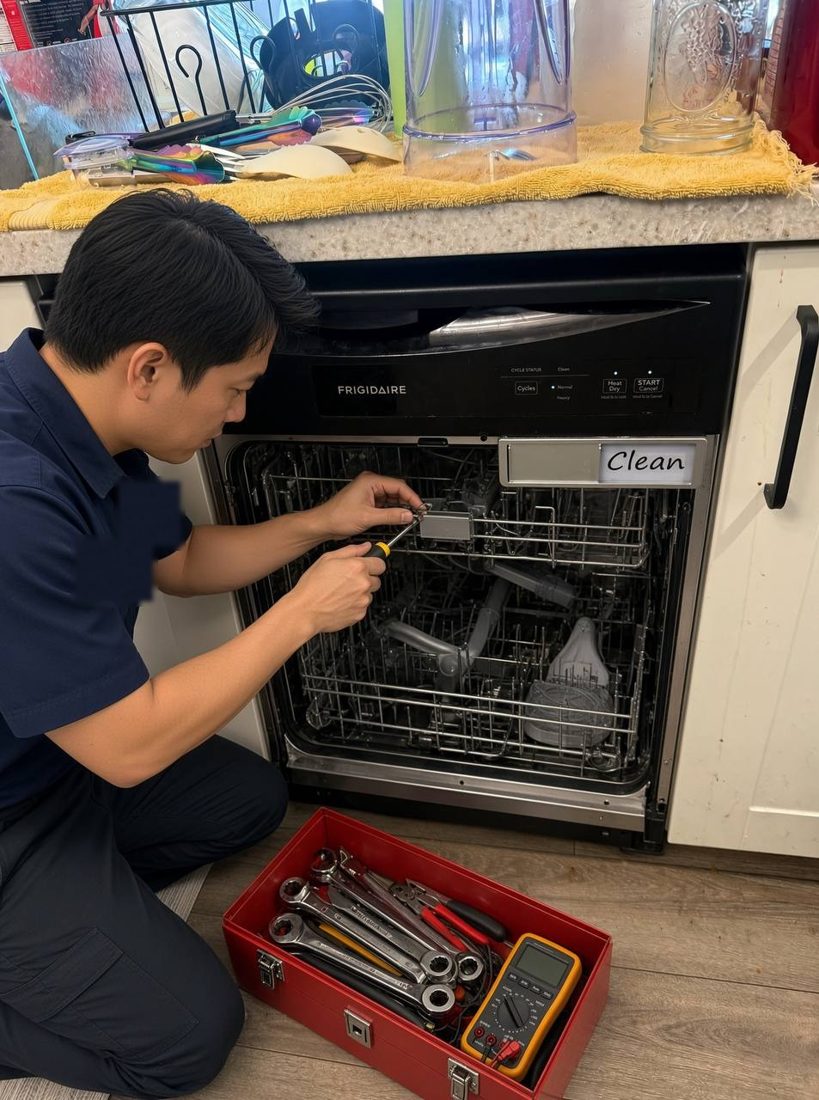
Three frames from the route — the machines opened, the meters out, the findings headed for paper.
French-door refrigerator on the bench call — dispenser and control diagnostics before any part gets named.Top-load washer, lid up, drive components out — the parts line gets written only after this look inside.Built-in kitchen work in an older Bremerton house — tight quarters, patient hands, meter within reach.
Book a dryer repair visit
Silverdale, Poulsbo, Bremerton and the edges — from-price confirmed at booking, $15 off the completed repair through this form.
✓ One number covers diagnostic + labor✓ Parts itemized separately, in writing✓ $15 off with code RIDGE15