Cooking appliances mix electricity, sometimes gas, and always someone's dinner plans. We bring the meter, the manometer and a pricing structure with nothing folded into the shadows: $290 and up for diagnosis plus labor, parts on their own written line.
From $290 — diagnostic + labor · parts quoted separately · walk away for $93
Burner stays coldOven off by 50°Broil only, or bake onlyEndless preheatFlame won't settleControl locked outElement glows patchy
Ovens are where imprecise repair gets expensive fastest, because the parts ladder is steep: a $30 temperature sensor and a $300 control board can produce nearly identical misbehavior. The only defense is measurement — resistance on the sensor, output on the board, actual cavity temperature over a full cycle — before any part is named. Our pricing exists to protect that discipline: with diagnosis and labor already settled at $290, the technician has no reason to reach for the expensive rung first.
The cooking hardware between Bremerton and Poulsbo spans generations. Shipyard-era kitchens still run simple, tough coil ranges that repair beautifully; the newer plats north of Silverdale cook on glass-top radiants and the occasional induction unit; and scattered through both are gas ranges fed by tank or main. Each generation has its own honest failure list, and our vans are stocked against all three rather than optimized for whichever pays best.
From $290, diagnosis and labor combined. Elements, igniters, switches and sensors form the modest end of the parts spectrum; control boards and glass cooktop panels the steep end. Every rung is quoted in writing before installation — and if the finding is 'not worth it,' you're out $93 and armed with facts.
Worth checking
Before you book
Test before you book
An oven thermometer left through one full bake cycle tells us plenty: a steady 25–50° offset points at the sensor, wild swings at the control. Mention the reading when you call — it sharpens the visit.
The click that won't quit
Endless spark-clicking after a boil-over is usually water in the igniter switch drying out — give it a day. Clicking on a dry, clean cooktop is a switch or spark module and books a visit.
A burner that won't turn OFF
Rare, and the one true cooking-appliance emergency. Kill the breaker or the gas valve and call — an element or burner locked on is a fire risk, not a quirk to live with.
In detail
The longer conversations
Electric oven cold: reading the chain
Power, control, relay, element — the fault sits somewhere on that chain, and each link fails with its own signature. A visibly blistered bake element convicts itself; a cold element with good continuity throws suspicion upstream to the relay board; dead-everything points at supply. We test in sequence because the parts lines differ by a factor of ten, and naming the wrong link is how repairs end up costing double.
Gas ovens and the tired igniter
Hot-surface igniters age like headlight bulbs — still glowing, no longer strong. Below its amperage threshold the safety valve refuses to open, and the oven catches long after the knob turned, short-cycles, or quits trying altogether. It's the single most predictable gas-range repair, the part is a stocked line, and the from-price already covers swapping it. If your gas oven has developed superstitions about when it will light, this is almost certainly why.
Glass cooktops: repair math in the open
Radiant elements under the glass are individually replaceable and economically sane. The glass itself is model-priced — sometimes reasonable, sometimes approaching a new cooktop — and we quote it straight rather than steering you either way. One firm safety note: a crack over a live element zone means stop using that zone until it's assessed. Heat plus fracture is not a stable combination.
Self-clean: the stress test your oven didn't ask for
Self-clean runs the cavity far past cooking temperatures, and marginal components fail during or right after — thermal fuses, door latches, occasionally boards. It's the source of a steady monthly trickle of 'oven died after cleaning' calls from every corner of our map. Our unsolicited advice: on an oven past its warranty years, treat self-clean as a rare event — and give it a wide berth ahead of holidays you're cooking for.
Where our wrench stops
Everything from the appliance's shutoff valve forward is ours: burners, valves within the range, igniters, orifices. Everything behind the wall — supply lines, pressure regulation at the meter or tank, new gas runs — belongs to licensed gas fitters, and propane system faults go to your propane supplier. We name the boundary on site instead of billing our way across it.
FAQ
Short answers
What does oven repair cost around Silverdale?
From $290 including diagnosis and labor. Parts are separate, written, and approved by you first. A declined repair closes at $93.
Do you handle both natural gas and propane ranges?
Yes, at the appliance level — burners, igniters, valves and conversion checks. Supply-side and tank-side work stays with the gas professionals, and we'll say so plainly if that's where your fault lives.
Can a wall oven and cooktop be done in one visit?
Usually, and it's the economical way — one visit fee structure, two appliances diagnosed. Mention both when booking so the time is blocked.
My oven door shattered — is that repairable?
Almost always. Inner and outer door glass exists as service parts for mainstream models, and door rebuilds are standard bench work. Bring the model number to the call and we'll price the glass line before the visit.
$15 OFFANY COMPLETED REPAIR
Code RIDGE15 — say it or send it
Mention it on the phone or use the booking form, where it's attached automatically. One per visit; applies to the repair itself, not to the $93 diagnostic-only outcome.
Field notes
What the visits look like
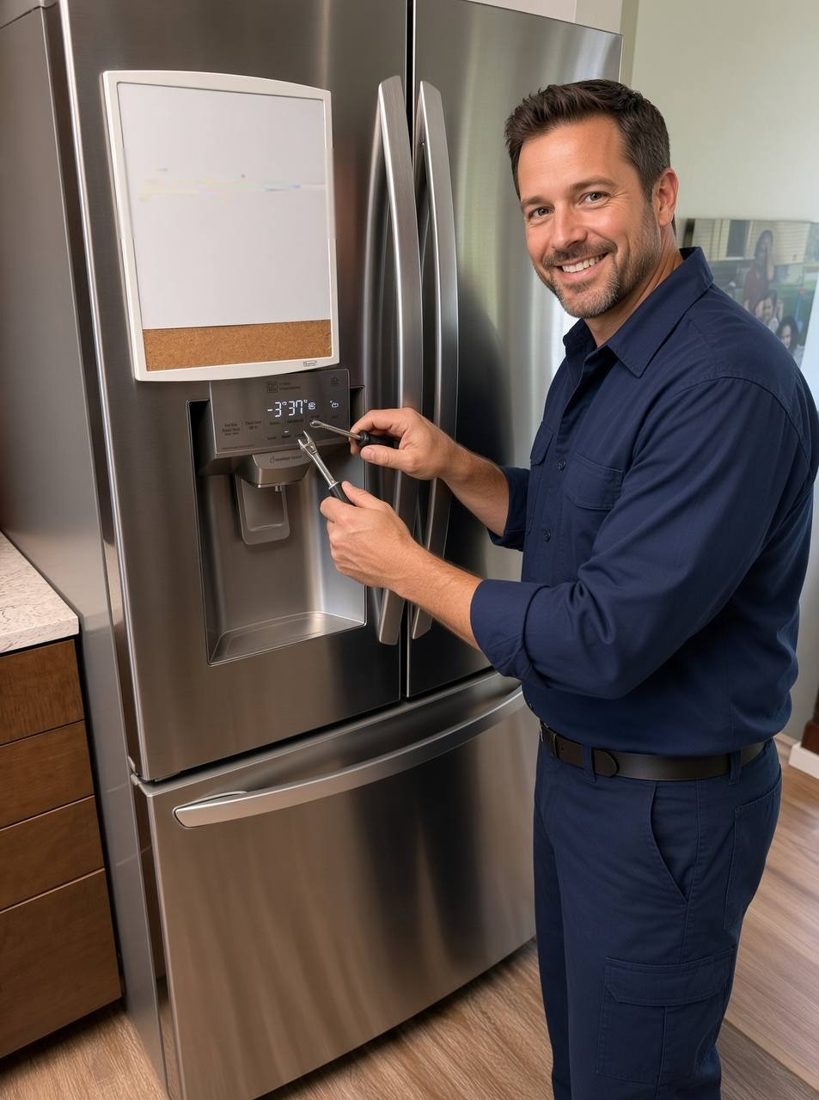
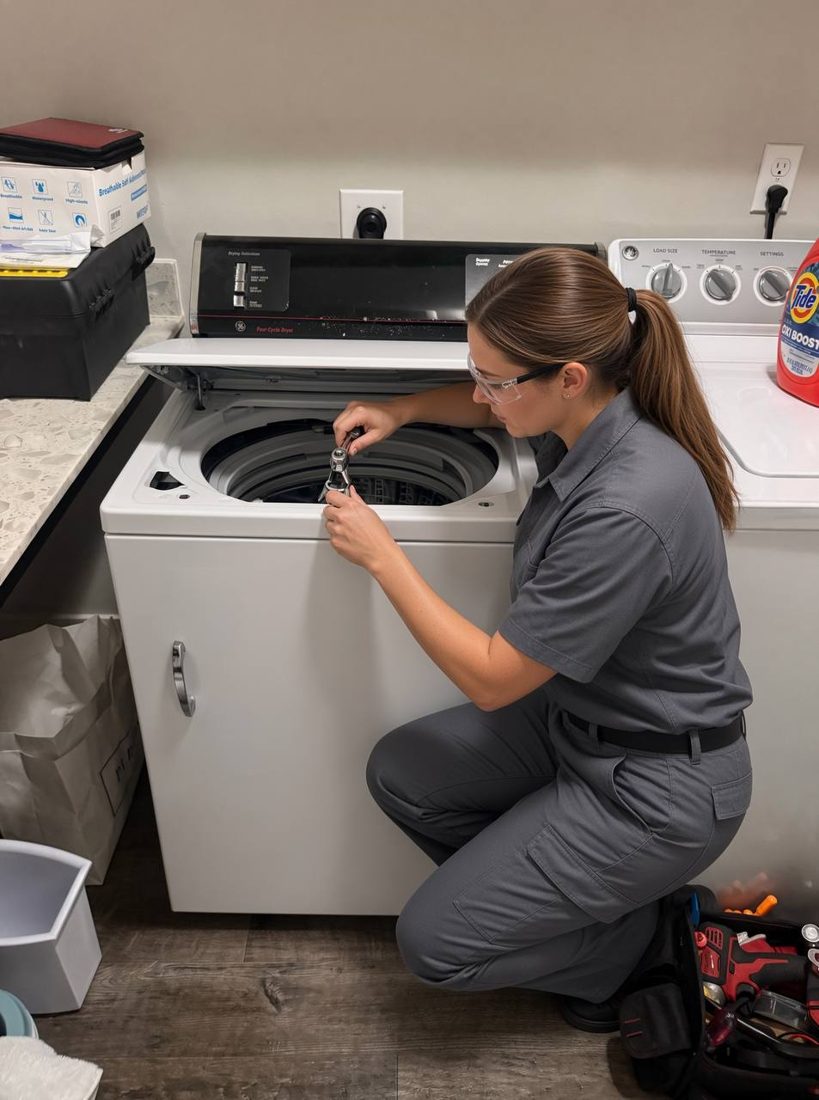
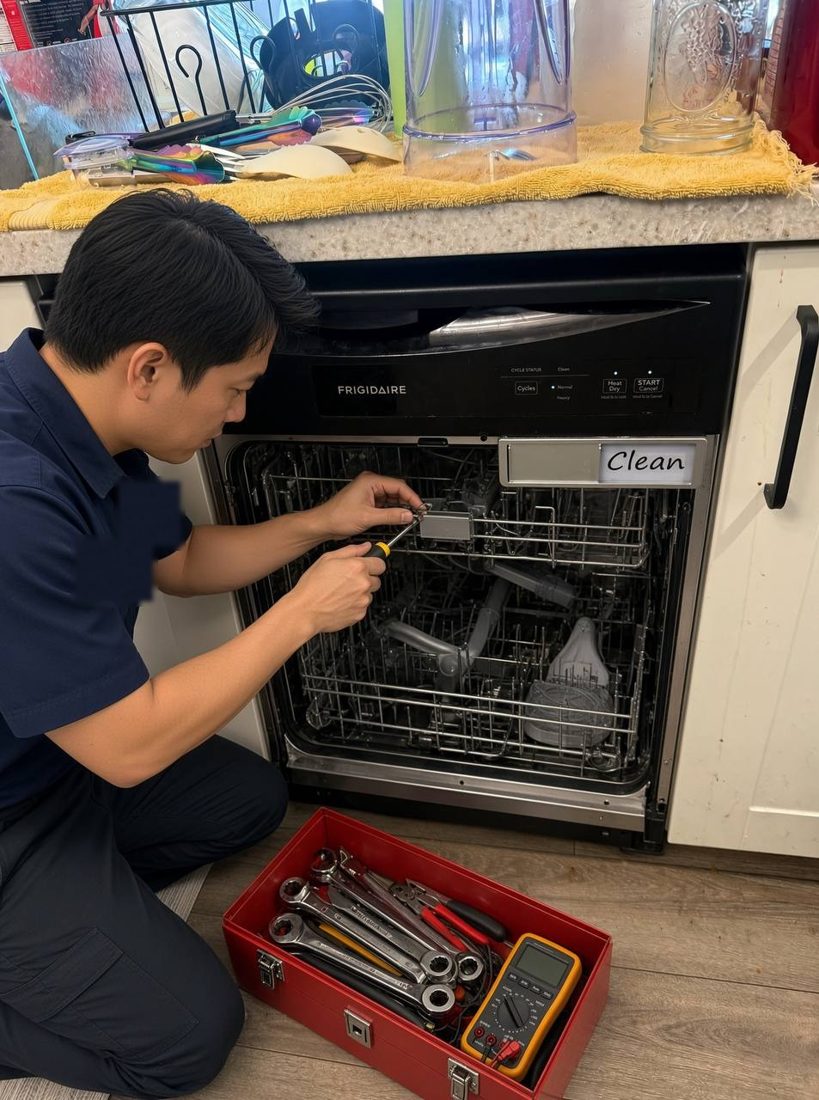
Three frames from the route — the machines opened, the meters out, the findings headed for paper.
French-door refrigerator on the bench call — dispenser and control diagnostics before any part gets named.Top-load washer, lid up, drive components out — the parts line gets written only after this look inside.Built-in kitchen work in an older Bremerton house — tight quarters, patient hands, meter within reach.
Book a stove, range & oven repair visit
Silverdale, Poulsbo, Bremerton and the edges — from-price confirmed at booking, $15 off the completed repair through this form.
✓ One number covers diagnostic + labor✓ Parts itemized separately, in writing✓ $15 off with code RIDGE15