The Hood Canal side is the quiet edge of our map — long lanes, big trees, wells, and appliances that work harder than their city cousins.
Seabeck faces the Olympics across Hood Canal, and its households run correspondingly self-sufficient: wells and pumps, generators for the outage seasons, chest freezers provisioned like small groceries, second refrigerators in shops and barns. When an appliance fails out here it tends to matter more — the freezer holds a hunting season, the well pressure feeds the washer — and the nearest big-box service dispatch is an abstraction with a hold queue. We put Seabeck on our named map because somebody with a shop twenty-five minutes away actually should.
The technical texture is distinct too. Canal-side humidity and forest shade keep utility rooms damp; mineral-rich well water works on every valve and screen it passes; storm outages introduce surge and brownout stresses that city appliances rarely meet. Our diagnoses on 98380 calls weigh all three by default — a pump-fed washer that fills slowly needs its pressure history heard before its valve condemned, and a freezer that hiccuped after an outage deserves a relay check before anyone mentions compressors.
The main artery — homes here book like any Silverdale call, just with a prettier drive. Routine turnaround runs a couple of business days.
Damp is the resident condition; rollers, gaskets and vents age on an accelerated clock. Cheap preventive habits help, and we share them freely on visits.
The deep end of 98380 is still our map. Mention the road when booking — some lanes want daylight and a truck that's been there before, and ours has.
Every service, at the published from-price, with parts always separate:
No. The from-price is the from-price — Hood Canal side included. What distance affects is grouping: Seabeck visits cluster with Silverdale-west routing for efficiency, so a routine slot may sit a day further out than a corridor address. Emergencies still jump the ordering.
Say exactly that on the phone. A loaded freezer is a perishables emergency and takes the first honest opening. Meanwhile: keep it shut — a full chest freezer defends its contents a full day or more — and if the failure followed a power outage, tell us that too; it points the diagnosis and often shrinks it.
We don't service well pumps — but we diagnose around them daily. Sagging pressure mimics valve failure; sediment after a pump event packs inlet screens; hard water scales what it touches. The written finding names which side of the meter your problem lives on, so the next professional you call (if any) is the right one.
Storm season on the canal bounces the grid, and the bounce takes prisoners — start relays, control boards, the occasional compressor sent to an early grave. Post-outage misbehavior is worth diagnosing rather than despairing over: half the time the casualty is a $30 relay, not the machine. Surge protection for the fridge circuit is the cheapest advice we give out here.
By name and by practice — 98380 including Holly and Crosby. No surcharges; routing may add a day to routine slots, never to emergencies.
We diagnose them once grid power is back — testing on a generator waveform can mislead. If the machine misbehaves only on generator, that finding matters and we'll document it.
It's aging their water-side parts faster, yes. Valves, screens and ice makers bear it first. Softening helps; so does knowing, which the diagnosis provides in writing.
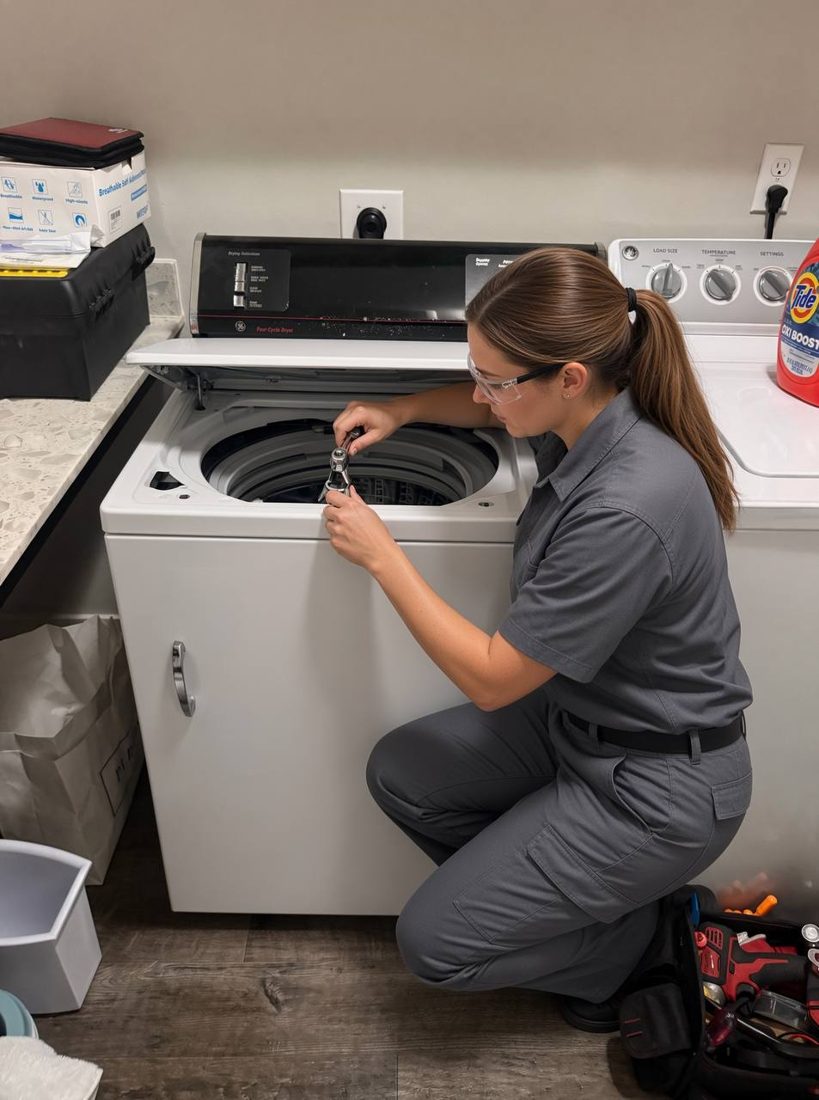
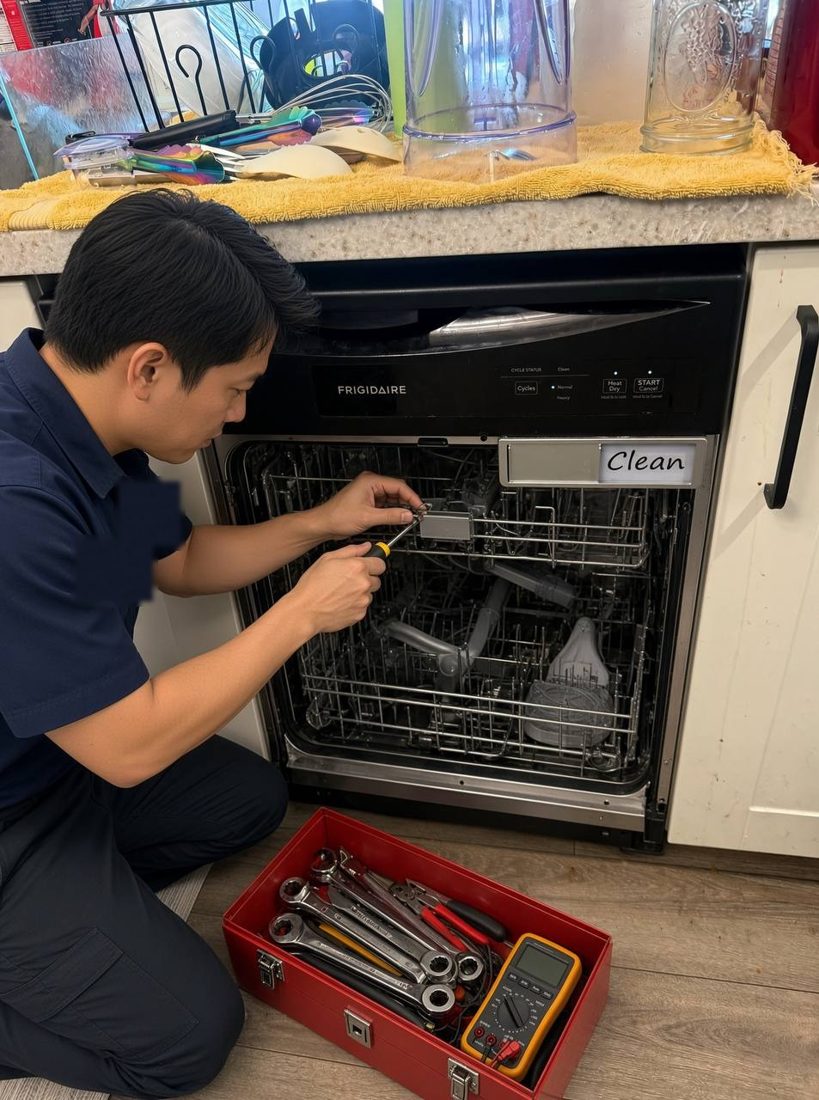
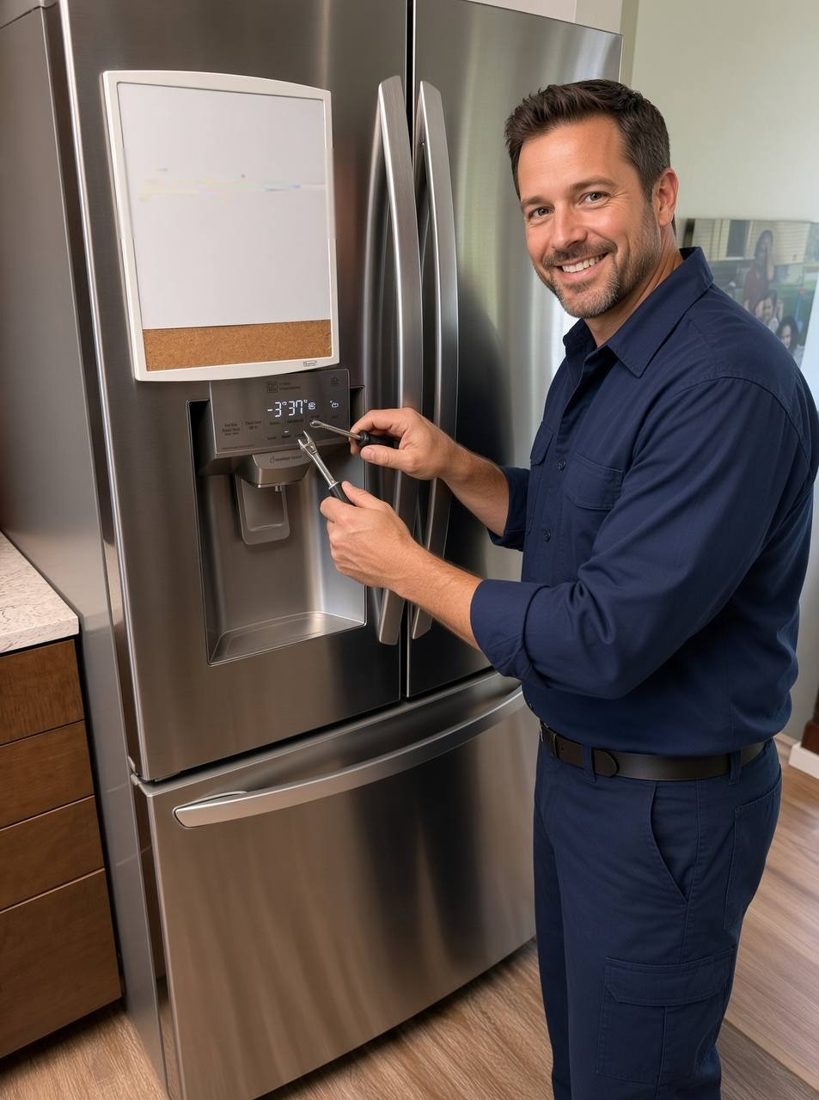
Three frames from the route — the machines opened, the meters out, the findings headed for paper.
One minute of typing; in return, a genuine window and your from-price by phone. Code RIDGE15 rides along automatically.